• Attraction Places
    • Khans & Castles
    • Hamams
    • Monuments
    • Mosques – Churches – Religious centers
    • Museums & Palaces
    • Parks – Walking Paths
    • Sites & Squares
  • Activities
    • Must Do
    • Shopping Centers
    • Super Markets
    • Sports
    • Adventures
    • Kids Zone
  • Sea
    • Activities on Water
    • Beaches
  • Villages
  • Where to Stay
  • Taste
    • Restaurants
    • Cafes
    • Desserts & Patisserie
    • Night Life
  • Agenda
  • Articles
  • Quick Links
    • About Us
    • About Saida
    • History of Saida
    • Geography
    • Economy & Education
  • Contact Us
  • Languages
Sign in or Register

The Great Omari Mosque in Sidon Verified listing Verified listing

  • General Info - معلومات عامة
  • prev
  • next
  • Share - مشاركة
  • prev
  • next
Description - وصف

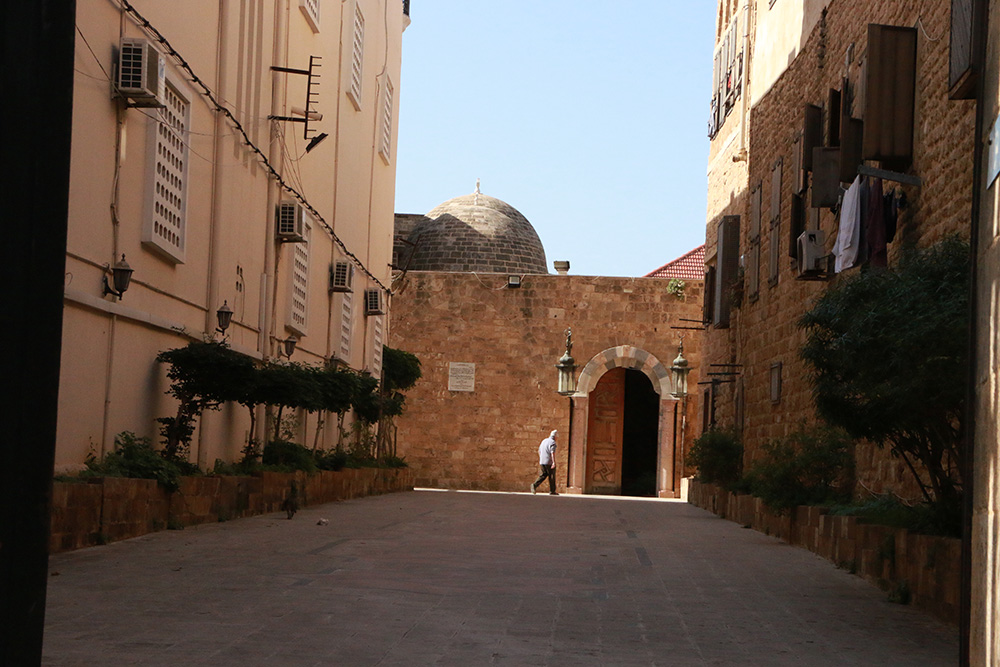
The Great Omari Mosque is located in the city of Sidon on a high hill overlooking the sea from the western side of the old city, to the north of the Makassed Islamic Charitable School near Hammam al-Ward. The mosque has two entrances, the first from the eastern side, you enter it through a corridor connected to Dahr El-Mir Street between the buildings of the Makassed School on the southern side, and a residential other on the northern side of the corridor. As for the old entrance, it is located on the northern front of the building, reversing east of the northern portico overlooking the courtyard, and leads to the courtyard of the mosque’s lane. There was a great deal of disagreement about the construction of the Great Omari Mosque and its history. Some said that it was a temple for the worship of the sun, others said that it was a church, while some say that it was not a church, but rather a military fortress built by the Spartan knights in 1260 AD. The construction of this mosque dates back to the Crusader era and was built by the Knights of St. John in 1260 AD in honor of their patron saint. The Great Omari Mosque was from ancient times a temple to the city of Sidon. It was built to be a temple to the sun. This is evident from the circular window at the top of the eastern wall of the mosque’s precinct, which allows sunlight to flood the hall. And then it turned into a church during the era of the Byzantines, until it finally turned into a mosque after the Islamic conquest of Sidon, and it was called the Great Omari Mosque in relation to the Caliph Omar Ibn Al-Khattab, may God be pleased with him, who was the Caliph of Muslims in that era. Inside the Great Omari Mosque, and at its entrance doors, there are many beautiful and important marble panels that chronicle the important stages in which it was restored throughout history. The oldest painting throughout history is the painting that chronicles the great victory of the Muslims during the time of Salah al-Din and the liberation of Sidon from the rule of the Crusaders in 1291 AD, which is also present inside the mosque. This marble plaque includes a slogan in which it says: (There is no god but God, the One, the Supreme). Under this slogan is the noble verse from the Qur’an: “God, the Most Merciful, the Most Merciful. Only those who live in God’s mosques are those who believe in God and the Last Day and perform prayer and pay zakat and fear none but God. be among the converts.” Inside the sanctuary, there are two marble panels. The first is inscribed with the name of His Majesty (God) and is located above the mihrab located to the right of the marble pulpit, and the second is inscribed with the noble verse (Whenever Zakaria is on it the mihrab) located above the mihrab located to the left of the aforementioned pulpit. The rest of the paintings show the most important dates for the various stages in which the mosque was restored.
During the reign of Sultan Abdul Majeed Khan, some expansions and arrangements were made on the lobby of the mosque after it was damaged by severe sea conditions in 1820 AD. It was restored at the expense of the government and from some donations after the city was struck by the English and Austrian fleets in 1840 AD. During the reign of Sultan Abdul Aziz, repairs were made to the mosque in 1870 AD, after it was cracked as a result of the sea conditions. During the reign of Sultan Abdul Hamid Khan in 1893 AD, it was also restored after the sea overwhelmed the western section of the mosque and that section was cracked. Then the Islamic Endowments in Sidon, in cooperation with the Ministry of Tourism, in 1975 AD peeled the dirt paper from the sandstone and removed the ablution pool and the eastern room, so the courtyard in the mosque’s hall expanded and the ablution place was built outside the mosque from the north. And in the year 1979. The restoration work in this mosque was completed as it was inaugurated by His Eminence, the Grand Mufti of the Lebanese Republic, Sheikh Hassan Khaled. Later, on June 6, 1982, the mosque was subjected to the most violent destruction in its history, as Israeli planes bombed the mosque and threw huge missiles at it in order to remove this important Islamic edifice.

Categories - التصنيفات
  • Mosques - Churches - Religious centers
Tags - أوسمة
  • Family friendly
  • Suitable for children
  • Suitable for groups
  • Suitable for people with special needs
Place Location - موقع المكان

[sc name="masjd-omari22" ][/sc]

You May Also Be Interested In

Roman Catholic Diocese of Sidon Verified listing

In the nineteenth century, the Roman Catholic Diocese of Sidon was transferred to the outskirts of ancient…
  • Mosques - Churches - Religious centers
  • Quick view
  • Bookmark

Abou Nakhle Mosque Verified listing

The Abi Nakhle Mosque is located in the Sabil neighborhood in old Sidon, and it can be accessed from Zaroub…
  • Mosques - Churches - Religious centers
  • Quick view
  • Bookmark

Battah Mosque Verified listing

The Battah Mosque is located inside the old Sidon markets and was formerly known as the Market Mosque. To the…
  • Mosques - Churches - Religious centers
  • Quick view
  • Bookmark

المسجد العمري الكبير Verified listing Verified listing

  • General Info - معلومات عامة
  • prev
  • next
  • Share - مشاركة
  • prev
  • next
Description - وصف

يقع الجامع العمري الكبير في مدينة صيدا على تلة مرتفعة تطل على البحر من الجهة الغربية للمدينة القديمة، إلى الشمال من مدرسة المقاصد الخيرية الإسلامية بالقرب من حمام الورد. وللمسجد مدخلان، الأول من الجهة الشرقية تدخل إليه من خلال ممر متصل بشارع ضهر المير بين مبان لمدرسة المقاصد في الجهة الجنوبية، وأخرى سكنية في الجهة الشمالية من الممر. أما المدخل القديم يقع في المواجهة الشمالية للمبنى بالارتداد شرق الرواق الشمالي المطل على الصحن ويؤدي إلى ساحة حارة الجامع. كان هناك خلاف كبير حول بناء المسجد العمري الكبير وتاريخه فالبعض قال إنه كان معبداً لعبادة الشمس والبعض الآخر قال بأنه كان كنيسة، فيما يقول البعض أنه لم يكن كنيسة بل كان حصناً عسكرياً بناه فرسان الإسبارتية عام 1260م. ان بناء هذا المسجد يعود إلى العهد الصليبي وبناه فرسان القديس يوحنا عام 1260 ميلادية تكريماً لشفيعهم. كان المسجد العمري الكبير منذ القدم معبداً لمدينة صيدا وقد تم بناءه ليكون معبداً للشمس وهذا واضح من خلال النافذة الدائرية الشكل في أعلى الحائط الشرقي من حرم المسجد التي تسمح لنور الشمس أن يغمر القاعة. ومن ثم تحول إلى كنيسة في عهد البيزنطيين، الى أن تحول أخيرًا إلى مسجد بعد الفتح الإسلامي لمدينة صيدا، وأطلق عليه اسم الجامع العمري الكبير نسبة إلى الخليفة عمر بن الخطاب رضي الله عنهالذي كان خليفة المسلمين في ذلك العهد. يوجد داخل المسجد العمري الكبير وعلى أبواب مداخله الكثير من اللوحات الرخامية بديعة المنظر والمهمة التي تؤرخ المراحل المهمة التي أعيد فيها ترميمه عبر التاريخ. واللوحة الأقدم عبر التاريخ هي اللوحة التي تؤرخ الإنتصار العظيم زمن صلاح الدين الأيوبي للمسلمين وتحرير صيدا من حكم الصليبيين عام 1291م التي هي موجودة أيضًا داخل المسجد. وتتضمن هذه اللوحة الرخامية شعاراً جاء فيه: (لا إله إلا الله الأحد القهّار) وتحت هذا الشعار الآية الكريمة من القرآن: "الله الرحمن الرحيم, إنما يعمر مساجد الله من أمن بالله واليوم الآخر وأقام الصلاة وآتى الزكاة ولم يخش إلا الله, فعسى أولئك أن يكونوا من المهتدين". داخل الحرم يوجد لوحتان رخاميتان، الأولى نقش عليها إسم الجلالة (الله) وموجودة فوق المحراب الواقع على يمين المنبر الرخامي, والثانية نقش عليها الآية الكريمة (كلما عليها زكريا المحراب) موجودة فوق المحراب الواقع غلى يسار المنبر المذكور. وباقي اللوحات تظهر أهم التواريخ لمختلف المراخل التي رمم فيها المسجد.
ففي عهد السلطان عبد المجيد خان أجري بعض التوسعات والترتيبات على بهو الجامع بعد تعرضه لبعض الأضرار من جراء الأنواء البحرية الشديدة في عام 1820م. وقد أعيد ترميمه على نفقة الحكومة ومن تبرعات البعض بعدما ضربت المدينة من الأشطول الإنجليزي والنمساوي عام 1840م. وفي عهد السلطان عبد العزيز جرت إصلاحات للمسجد في عام 1870م بعد تعرضه للتصدع نتيجة الأنواء البحرية. وفي عهد السلطان عبد الحميد خان عام 1893م رمم أيضًا بعد أن طغى البحر على القسم الغربي من المسجد وتصدع ذلك القسم. ومن ثم قامت الأوقاف الإسلامية في صيدا بالتعاون مع وزارة السياحة في عام 1975م بقشر الورقة الترابية من الحجر الرملي وإزالة بركة الوضوء والغرفة الشرقية، فاتسعت ساحة بهوالمسجد وشيد مكان الوضوء خارج المسجد من ناحية الشمال. وفي العام 1979م. انتهت أعمال الترميم في هذا المسجد حيث افتتحه صاحب السماحة مفتي الجمهورية اللبنانية الشيخ حسن خالد. فيما بعد وفي 6 حزيران 1982م تعرض المسجد لأعنف تدمير في تاريخه حيث قامت طائرات إسرائيلية بقصف المسجد وإلقاء الصواريخ الضخمة عليه بغية إزالة هذا الصرح الإسلامي المهم.

Categories - التصنيفات
  • جوامع - كنائس - مراكز دينية
Tags - أوسمة
  • مناسب للأطفال
  • مناسب للعائلات
  • مناسب لذوي الاحتياجات الخاصة
  • مناسب للمجموعات
Place Location - موقع المكان

[sc name="masjd-omari22" ][/sc]

You May Also Be Interested In

مطرانية صيدا للروم الكاثوليك Verified listing

في القرن التاسع عشر تم مطرانية صيدا للروم الكاثوليك إلى خارج صيدا القديمة. ما يميز هذه المطرانية انها مشهورة…
  • جوامع - كنائس - مراكز دينية
  • Quick view
  • Bookmark

جامع ابي نخلة Verified listing

يقع جامع أبي نخلة في حي السبيل في صيدا القديمة، ويمكن الوصول إليه من زاروب أبي نخلة، المتفرع من ساحة باب…
  • جوامع - كنائس - مراكز دينية
  • Quick view
  • Bookmark

مسجد بطاح Verified listing

يقع مسجد بطاح داخل أسواق صيدا القديمة وكان يعرف سابقًا باسم مسجد السوق. يوجد إلى جنوب المسجد حارة المصبنة،…
  • جوامع - كنائس - مراكز دينية
  • Quick view
  • Bookmark
  • Facebook
  • X
  • WhatsApp
  • Telegram
  • Copy link
  • Facebook
  • X
  • WhatsApp
  • Telegram
  • Copy link